
Peoria Property Records
Peoria property records are maintained by the Peoria County Supervisor of Assessments and the Peoria Township Assessor. The city sits along the Illinois River in central Illinois and is the county seat of Peoria County. You can search property records online through the Peoria Township website or the county portal. This page walks through the offices, search tools, fees, and steps needed to look up assessed values, ownership info, tax bills, and exemptions for properties in Peoria. All property records here are public under Illinois law and can be accessed for free in most cases.
Peoria Property Records Quick Facts
Peoria Property Assessment Offices
Property assessments in Peoria go through two offices. The Peoria County Supervisor of Assessments oversees all assessments across the county and makes sure values are equitable. You can call them at (309) 672-6910. The Peoria Township Assessor is the local office that sets the initial assessed value for each parcel inside the city. Their number is (309) 324-7459. Both offices work under 35 ILCS 200/, the Illinois Property Tax Code.
Under state law, all Peoria property must be assessed at 33 1/3 percent of fair market value. The assessment cycle is quadrennial, meaning every four years. Between full reassessments, the township assessor updates values if there is new construction, a sale, or other changes to a property. The Supervisor of Assessments applies equalization factors when needed to bring township values in line with state standards.
The Peoria County Supervisor of Assessments website is a good starting point for county-wide assessment info, forms, and contact details.
| Office | Peoria County Supervisor of Assessments |
|---|---|
| Phone | (309) 672-6910 |
| Township Assessor | Peoria Township Assessor |
| Township Phone | (309) 324-7459 |
| Assessment Rate | 33 1/3% of fair market value |
| Cycle | Quadrennial (every 4 years) |
Search Peoria Property Records Online
The Peoria Township website offers tools for looking up property records within the city of Peoria. You can search by address, owner name, or parcel number to find assessed values and property details. The site does not charge a fee. For a broader county-wide search, the Peoria County portal also provides access to tax and assessment data for every parcel in the county.
When you pull up a property, you will see the assessed value, the equalized assessed value after any state multiplier, exemptions that have been applied, and the total tax amount. Results also show the legal description and the property class code. Residential, commercial, and industrial properties each have their own class. Knowing your class helps you understand how the rate applies to your parcel.
The Illinois Department of Revenue provides statewide property tax guidance and local government contact info that covers Peoria County.
View Illinois local government contacts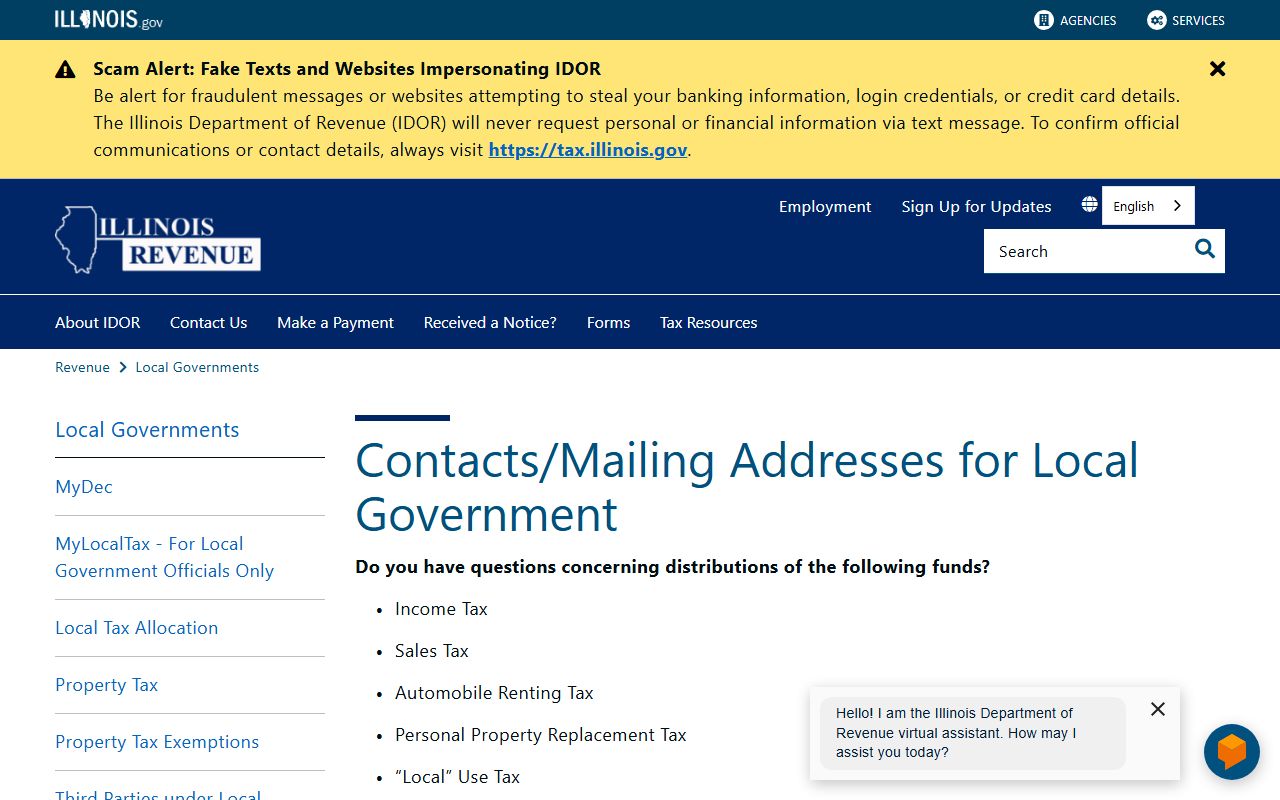
This state resource lists county-level contacts for assessment offices across Illinois, including Peoria County.
If you do not know your parcel number, the address search is the easiest way to start. Type in the street address and the system will match it to the correct parcel in the Peoria Township records.
Peoria Property Tax Records
Property taxes in Peoria are paid in arrears. The bill you receive this year is based on last year's assessed value. The Peoria County Treasurer mails out bills and collects payment. There are two installments each year. The first is typically due in June and the second in September, though exact dates can vary. Check with the Treasurer's office for current due dates.
Your total tax rate depends on which taxing districts overlap your property. School districts make up the biggest piece of most Peoria tax bills. The city, county, park district, library, and other local bodies each add their own levy. Properties on different sides of a school district boundary can have noticeably different total rates. Understanding your taxing districts is key to reading your Peoria property records correctly.
Under Illinois law, the lien date is January 1. That date determines ownership and property condition for tax purposes. Improvements made after January 1 will not show up until the next year's assessment. The same goes for damage or demolition.
Peoria Property Tax Exemptions
Peoria homeowners can apply for exemptions that reduce their tax burden. The General Homestead Exemption is the most widely used. It lowers your assessed value by $6,000 if you own and occupy the property as your primary home. You file for it through the Peoria Township Assessor or the Peoria County Supervisor of Assessments. Once granted, it usually renews on its own each year unless you move.
Seniors age 65 and up qualify for the Senior Citizens Homestead Exemption, which takes another $5,000 off the assessed value. The Senior Citizens Assessment Freeze is also available for seniors who meet income limits. It locks the assessed value at the level it was when you first qualified. This can save a lot of money over time, especially in areas where values are going up. Disabled persons and veterans have their own exemptions as well.
- General Homestead Exemption: $6,000 reduction
- Senior Citizens Homestead Exemption: $5,000 (age 65+)
- Senior Citizens Assessment Freeze: locks value in place
- Disabled Persons Homestead Exemption: $2,000 reduction
- Disabled Veterans Homestead Exemption: varies by VA rating
- Returning Veterans Homestead Exemption: $5,000 one-time
Appeal Peoria Property Assessments
If your Peoria property records show a value that seems too high, you have the right to appeal. Start by reaching out to the Peoria Township Assessor. They can explain how your value was set and may be able to resolve the issue informally. If that does not work, you can file a formal complaint with the Peoria County Board of Review.
The Board of Review is a separate body that hears assessment complaints for all of Peoria County. You submit a written complaint with supporting evidence. Comparable sales are the most common type of evidence. If nearby homes of similar size and condition have sold for less than what your assessed value suggests, that is a strong case. The Board of Review does not charge a filing fee. After their ruling, you can appeal further to the Illinois Property Tax Appeal Board if you still disagree.
Deadlines matter. You typically have 30 days from the date your assessment notice is published to file with the Board of Review. If you miss the deadline, you will have to wait for the next assessment cycle to challenge your value.
Peoria Building and Permit Records
The City of Peoria handles building permits through its Development Services department. You can reach them at (309) 494-8563. Permits for new construction, additions, and renovations are all part of the public record. These permits matter for your property records because the township assessor may update your assessed value after work is completed. A new garage, finished basement, or room addition will likely increase your assessment.
If you are buying a property in Peoria, checking the permit history can tell you a lot. It shows what work has been done, whether it was inspected, and if it was done with proper approval. Unpermitted work can cause problems during a sale or when the assessor catches up to it.
Peoria County Property Records
All Peoria property records are part of the Peoria County system. The county covers the city of Peoria plus surrounding communities and rural areas. If you need records for a property outside Peoria city limits but still in the county, the same county-level tools apply. Visit our Peoria County property records page for more about county-wide assessment offices, search tools, and contact details.
Nearby Cities
These cities are near Peoria. Property records for each city go through their own county assessment office.